
We all want to be brilliant pet parents to our furry mates, but the world of dog supplements? It's a bit of a minefield, honestly.
One minute you're reading that your dog's kibble has everything they need. The next, you're standing in the pet shop aisle staring at seventeen different fish oil bottles, wondering if you're basically neglecting your pup by not buying all of them.
So what's actually going on? Does your dog need supplements or is this whole industry just really good at making us feel guilty?
Here's What Nobody Tells You About Modern Dog Food
Right, so this might sound a bit weird, but stick with me: the food our dogs eat today isn't actually the same as what dogs ate even 50 years ago. And I'm not talking about the obvious stuff like fresh meat versus processed kibble.
The problem starts way before the food even gets to the factory. Agricultural soils are absolutely knackered from decades of intensive farming. All those essential minerals and nutrients that used to be in the ground? They're just not there anymore, or at least not in the same amounts.
There's actual research on this—fruits, vegetables, and grains grown today have significantly fewer vitamins and minerals than the exact same foods our grandparents ate. A carrot from 1970 and a carrot from 2026 look the same, but nutritionally? Not even close.
Now think about your dog's food. Even if you're buying the good stuff with real vegetables and whole grains listed on the bag, those ingredients themselves are less nutritious than they should be. Then add in all the processing that commercial dog food goes through (hello, high temperatures that destroy even more nutrients), and you can see why "complete and balanced" might not actually mean what we think it means.
Your dog might be eating the right things but still not getting what they need. Bit rubbish, really.
Okay, So Should I Be Supplementing or Not?
Honestly? It depends.
Look, we're big believers in getting nutrition from actual food first. Fresh, minimally processed meals with quality ingredients are always going to beat a pill. That's just how bodies work, whether you've got two legs or four.
But here's the reality: between dodgy soil quality and the fact that most commercial dog food gets cooked within an inch of its life, there are probably some gaps. Strategic supplementation can help fill those gaps without going overboard.
Natural vs Synthetic Supplements (And Why It Matters)
Right, so not all supplements are created equal. There's a pretty big difference between natural, food-based supplements and synthetic vitamins.
Synthetic supplements are made in a lab. They're isolated nutrients—pure vitamin C, or vitamin E, or whatever—created chemically to mimic the natural version. They're cheaper to produce and they look good on a label because you can list exact amounts of each vitamin.
Natural supplements come from actual food sources. Think spirulina, kelp, whole food powders, fish oil from actual fish. They contain nutrients in their original form, along with all the other compounds that naturally occur alongside them in food.
Here's why this matters: your dog's body recognizes food. It's been evolving to digest and use nutrients from whole food sources for, well, forever. Natural supplements are easier for their body to absorb and use because they come packaged the way nature intended—with cofactors, enzymes, and other nutrients that help with absorption.
Synthetic vitamins? Your dog's body has to work harder to figure out what to do with them. Sometimes they get absorbed, sometimes they just end up being expensive wee. And if you overdo it with synthetic vitamins, you can actually cause problems—some can build up to toxic levels because they're so concentrated.
For a healthy dog, natural, food-based supplements are almost always the better choice. They're gentler, easier to absorb, and way harder to accidentally overdo. You're basically just adding concentrated nutrition from real food, which is what your dog's body is designed to handle.
The synthetic stuff? That's more for dogs with diagnosed deficiencies who need specific therapeutic doses. And that's a conversation to have with your vet—preferably one who actually knows about nutrition, not just the basics from vet school.
(Want to dive deeper into this topic? We wrote a whole article about synthetic vs natural pet nutrition that goes into the nitty-gritty details.)
That said, there are some pretty safe, natural supplements that most healthy dogs can benefit from. Let's talk about those.
The Supplements That Actually Make a Difference
Omega-3s (Plus Vitamin A, Because They're Mates)
If you're going to add just one thing to your dog's diet, make it omega-3 fatty acids. These are genuinely brilliant for joint health, coat condition, skin health, digestion—honestly, the list goes on.
Here's a fun nutrition fact: vitamin A needs fat to be absorbed. So when you're adding omega-3s to your dog's meals, you're also helping them actually use the vitamin A in their food. Two birds, one stone, all that.
Your dog might need more omega-3s if they've got:
- Dry, flaky skin that won't quit
- A coat that looks a bit sad and dull
- Allergies that keep flaring up
- Yeast infections (especially between their toes—gross but common)
- Stiff joints, particularly if they're getting on a bit
How to add them: Mix some ground flaxseed or coconut oil into your dog's meals. If you're feeding dry food, this also makes it less boring and easier to digest. Or just give them a fish oil capsule daily—the same ones humans take work fine.
For vitamin A, anything orange is your friend. Sweet potato, pumpkin, carrots. Easy.
We wrote a whole thing about omega supplements if you want to go deeper—check out our guide to fish oil and hemp oil.
B Vitamins (The Boring-But-Essential Ones)
B vitamins don't give your dog energy directly, but without them, their body can't actually use the energy from food properly. Think of them as the behind-the-scenes crew that keeps everything running.
There are eight different B vitamins, and signs your dog might be running low include:
- Puppies not growing as fast as they should
- Eye weirdness or vision changes
- Red, inflamed gums
- Suddenly not interested in food (this one's particularly alarming if you've got a dog who normally inhales their meals)
- Dark tongue discolouration
- Not wanting to move much, bone pain
- Allergies that won't budge
How to add them: Vegetables and whole grains are packed with B vitamins. Oats, quinoa, brown rice, bananas, peanut butter (check it's xylitol-free first), spinach, kale. All good options.
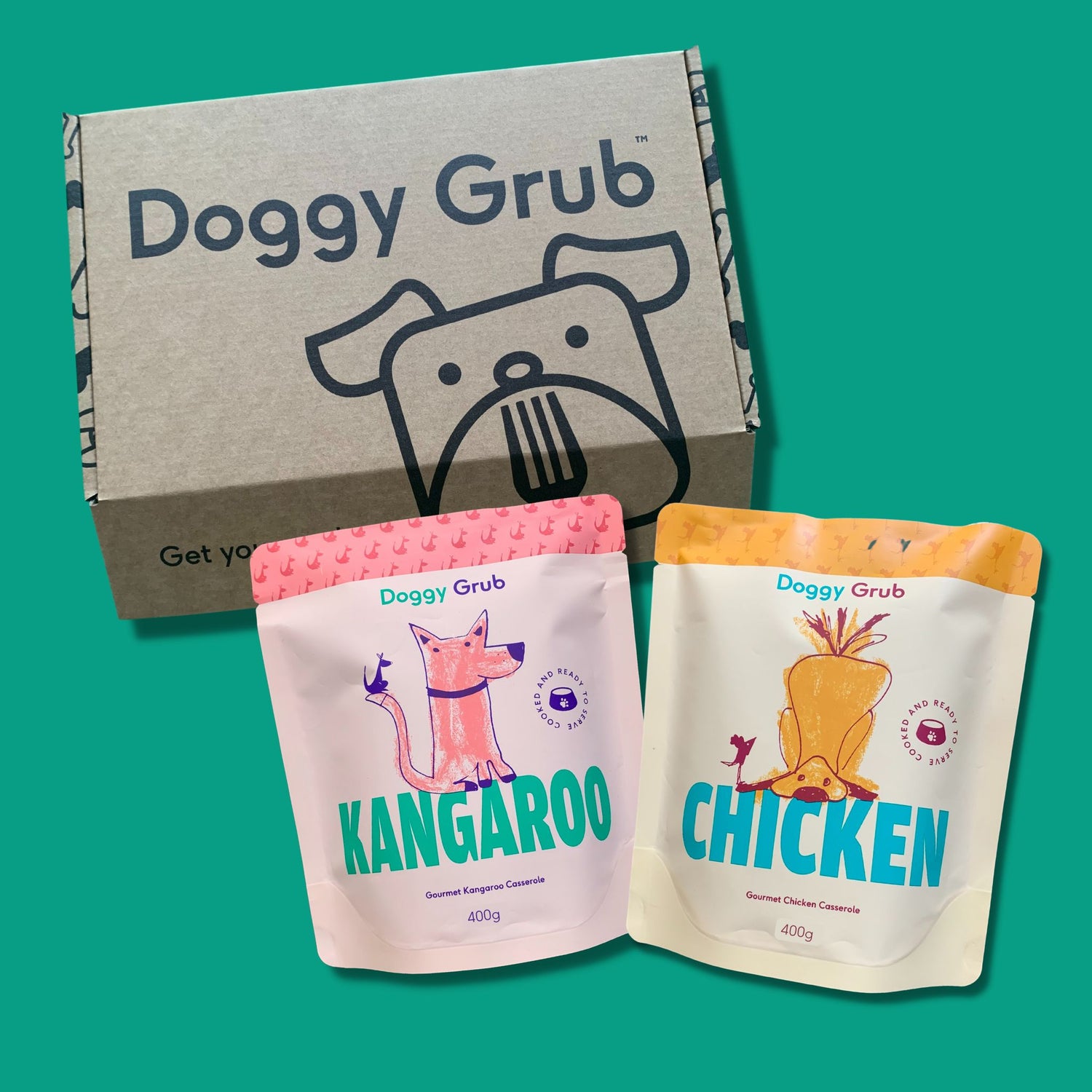
If you're already feeding fresh, whole food meals—like our Doggy Grub meals, for instance—you've already got this covered.
The Lazy (But Effective) Solution
Right, real talk: not everyone has time to be measuring out flaxseed and chopping sweet potatoes every single day. Life's busy. We get it.
This is exactly why we made Grinkles. They're basically nutritional insurance in sprinkle form.
Our Grinkles All Rounder is loaded with natural trace minerals and nutrient-dense superfoods that help fill those gaps we talked about earlier (you know, the ones caused by sad modern farming). It supports coat health, immune function, digestion—basically all the things you want working properly.
The best bit? You literally just sprinkle it on whatever you're already feeding. No measuring, no mixing, no complicated routines. Just better nutrition without the faff.
Also, fun fact: it's made from human-grade ingredients, so technically you could put it in your own smoothie. We're not saying you should, but you could.
Important: Don't Diagnose Via Google
Quick reminder that not everything is a vitamin deficiency. Sometimes your dog is just tired. Sometimes they've got an actual medical issue that needs a vet, not a supplement.
If your dog's showing worrying symptoms—especially things like serious lethargy, big changes in appetite, or behaviour that's really out of character—book a vet appointment before you start throwing supplements at the problem.
Some things need proper medical attention, not just a sprinkle of nutritional yeast. But generally, if you keep your supplementation natural and from food sources, you won't be harming your dog.
So What's the Verdict?
If you've got a healthy dog and you want to give them the best shot at a long, happy life with minimal vet drama, adding some natural supplements is probably a good shout. Stick to whole food sources where you can, and skip the synthetic stuff unless your vet specifically recommends it.
The reality of modern food production means even "complete" dog food probably has some gaps. Supplementation isn't about fixing a problem—it's about making good nutrition even better. Like upgrading from regular fuel to premium.
Easiest approach? Feed fresh, minimally processed food when possible, add a natural food topper for extra nutrients, and keep an eye on how your dog's actually doing. Energy levels, coat condition, poo quality (sorry, but it matters)—these tell you more than any label will.
At the end of the day, your dog's counting on you to make good choices for them. Now you know a bit more, you're already ahead of most pet parents out there.
Want the easy button for better dog nutrition? Our Grinkles Toppers are natural supplements packed with natural trace minerals and superfood ingredients. Because your dog deserves proper nutrition, even when modern farming's let us down a bit.
Be the first to get your paws onto the hottest topics? Subscribe to our newsletter!
-------------------------------------------------------------------------------------------------
The Doggy Grub blog is dedicated to helping dogs and their owners achieve happier, healthier lives, changing the way we feed our dogs one bowl at a time! If you would like to know more about our fresh food head to Doggy Grub


