
If you're like most dog owners, walking down the pet food aisle can feel overwhelming. There's kibble, canned food, dehydrated, freeze-dried, cooked, raw, and even therapeutic diets. How do you know what's really best for your pup?
Let's break down the most common dog food types, what you need to watch for, and some tips to help you pick the right one with confidence.
Kibble: The Convenient Standard
Kibble is everywhere for a reason—it's affordable, easy to store, and lasts forever on the shelf. For busy dog owners, it's a practical choice that gets the job done.
That said, the processing involved in making kibble requires extremely high heat, which can degrade nutrients. Many brands add synthetic vitamins and minerals back in to compensate, but your dog's body doesn't always absorb these as well as nutrients from whole foods.
The bigger concern with many commercial dry food is what's actually in the bag. The quality of meat used is often questionable—we're talking rendered by-products, meat meals from unknown sources, and low-grade proteins that wouldn't pass muster for human consumption. To keep costs down, many manufacturers rely heavily on cheap fillers like corn, wheat, and soy—ingredients that bulk up the food but offer little nutritional value for dogs. These fillers are often high in carbohydrates, which your dog's body converts into sugars. Over time, this can contribute to a range of health issues: obesity, joint problems from carrying excess weight, poor oral hygiene (as sticky carbohydrates cling to teeth and feed harmful bacteria), and an imbalanced gut microbiome that affects everything from digestion to immunity.
If you're feeding kibble, it's worth becoming a label detective. Look for options with named meat sources as the first ingredient (like "chicken" or "beef" instead of vague terms like "poultry meal" or "meat by-products") and minimal fillers.
The good news? Even if dry food is your main option, you can dramatically boost its nutritional value by adding some form of whole foods to your dog's bowl. A spoonful of plain yogurt, some lightly steamed vegetables, an egg (raw or cooked), or a bit of cooked meat can provide the fresh nutrients and enzymes that processing strips away.
Canned Food: A Step Up in Moisture
Canned food offers higher moisture content than kibble, which can be great for dogs who don't drink enough water. It's also generally more palatable, making it useful for picky eaters or dogs recovering from illness.
The downside? It's pricier per serving, and like kibble, canned food is heavily processed and cooked at high temperatures, which degrades nutritional value.
And here's the reality: despite premium price tags, you'll be hard-pressed to find canned dog food made with human-grade ingredients. Most rely on feed-grade meat sources. Many brands also load up on fillers and thickening agents (guar gum, carrageenan) to bulk up the food and create texture. To make these low-quality ingredients more appealing, manufacturers often add artificial flavours and colours—your dog doesn't care if their food is brown or red, but these additives help sell the product by making it more palatable.
If you're choosing canned, read labels carefully. Look for named meat sources as the primary ingredient and avoid products where by-products or meals appear high on the list.
Raw Diets: Going Back to Basics
Raw feeding has gained a devoted following, and for good reason. Advocates point to shinier coats, better digestion, cleaner teeth, and increased energy levels. The idea is simple: feed dogs what their ancestors ate—raw meat, bones, and organs—in their most natural, unprocessed form. For many dogs, the results speak for themselves.
That said, raw diets require commitment and care. You need to ensure proper nutritional balance (it's not just about tossing your dog a chicken breast), and safety is paramount—raw meat can harbour bacteria like salmonella and E. coli that pose risks to both your dog and your household. If you're drawn to raw feeding but concerned about safety or balance, consider buying from a reputable raw feeding brand that offers complete, nutritionally balanced meals with proper handling guidelines. This takes the guesswork out while still giving your dog the benefits of a raw diet.
If you're going the DIY route, do your homework or work with a veterinary nutritionist to get it right. Raw feeding can be incredibly beneficial when done properly—it's all about knowledge and preparation.
Fresh and Homecooked Food: The Gold Standard (in our opinion)
Here's where things get exciting. Fresh, gently cooked food sits in a sweet spot—it offers the nutritional benefits of whole ingredients without the nutrient loss from heavily processed kibble.
When you cook food for your dog (or choose a fresh food service), you're working with real ingredients you can recognise: kangaroo, sweet potatoes, spinach, blueberries. The gentle cooking process preserves far more nutrients than the intense heat used in kibble production, whilst eliminating the bacterial risks associated with raw feeding.
Your dog's body can actually absorb and use what you're feeding them.
Just like raw food, fresh, gently cooked diets also give you complete control over what goes into your dog's bowl. No mystery ingredients, no fillers, no synthetic additives—just real food. Many dog owners who switch to fresh food report noticeable improvements in energy, coat quality, digestion, and even behaviour within the first week.
The downside? Fresh food is typically more expensive than kibble or canned options. If you're going the DIY route, you'll need to do your homework—just like with raw feeding, balance matters. But here's the good news: it's not as complicated as you might think. With some basic knowledge about canine nutrition and a few reliable recipes, home cooked meals are entirely achievable. The real challenges are time, planning, and storage—fresh food typically requires refrigeration or batch freezing.
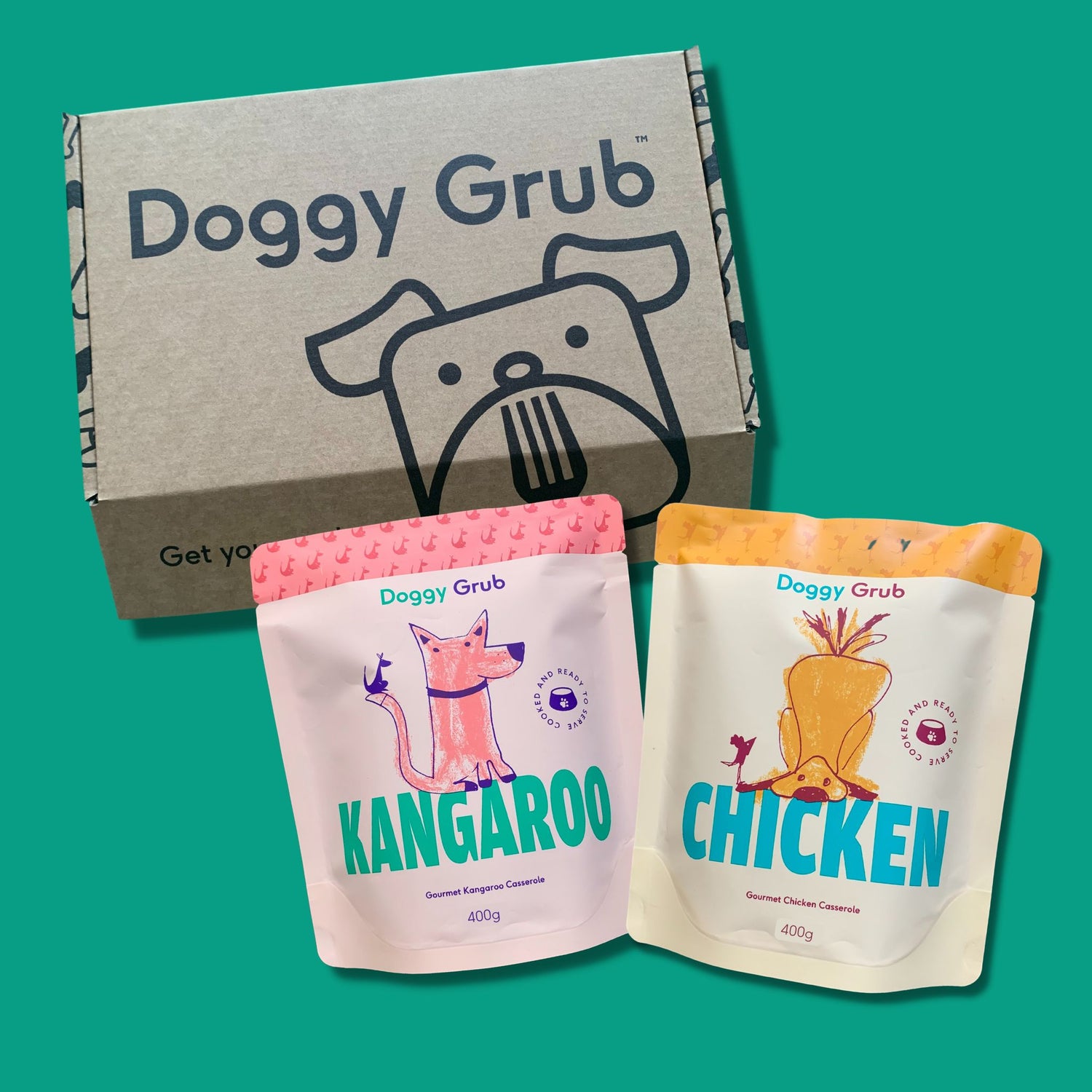
This is where Doggy Grub changes the game—our gently cooked meals are nutritionally complete, made with whole food ingredient (all human-grade), and thanks to our unique process, shelf-stable- so they don't need to be kept in the fridge or thawed out.
All the benefits of fresh food, without the hassle!
Therapeutic Diets: When They Help (and When They Don't)
What About Dehydrated and Freeze-Dried?
These options sit somewhere in the middle—real food ingredients that have been preserved for convenience. Dehydrated and freeze-dried foods retain more nutrients than kibble because they're processed at lower temperatures, and you simply add water before serving.
The benefits? Lightweight, shelf-stable, and made from recognisable whole food ingredients. They're particularly useful for travel or as a backup option when you're short on time.
The downside? They're amongst the priciest feeding options available—often more expensive per serving than fresh or even raw food. That said, they make a solid compromise if you want better nutrition than kibble without the full commitment or storage requirements of fresh or raw feeding.
So, What Should You Choose?
Here's the truth: the "best" dog food is the one you can consistently provide that meets your dog's nutritional needs and fits your lifestyle.
If fresh or homecooked food is doable for you—brilliant. Your dog will likely thrive on it. But if kibble or canned food is what works right now? That's absolutely okay.
What matters is that you don't have to choose just one approach.
Even small additions of fresh, whole foods can make a significant difference to your dog's health. You don't need to overhaul everything overnight. Start simple: grab a bag of frozen mixed vegetables, gently steam them, and add a spoonful to your dog's bowl. Crack a raw egg over their kibble. Stir in a bit of plain yoghurt or some leftover cooked chicken (no bones!). These tiny boosts add nutrients, enzymes, and variety that processed food simply can't provide.
The closer you can get to whole, real-food ingredients—even if it's just 10-20% of their diet—the better. Every little bit counts. You're not failing if you're feeding kibble; you're just giving yourself room to enhance it when you can. Your dog's body will notice, and that's a win.
Tips for Making the Switch
Whatever direction you choose, here's how to do it well:
Read the ingredients list. The first few ingredients tell you what the food is really made of. Look for real meat (not meat meal), whole vegetables, and minimal fillers such as corn, soy, wheat, or beet pulp.
Transition slowly. Sudden diet changes can upset your dog's stomach. Mix new food with their current food over 7–10 days, gradually increasing the ratio. Start with 75% old food and 25% new, then work your way up.
Expect a bit of adjustment. If your dog has a slightly upset tummy or loose stools during the transition, don't panic and abandon ship. Simply slow down—go back a step and give their digestive system more time to adapt. A little patience goes a long way, and most dogs settle beautifully within a week or two.
Watch your dog. Energy levels, coat quality, stool consistency, and overall happiness are your best indicators of whether a food is working. Trust what you see.
Don't be afraid to adjust. What works for one dog might not work for another. If something isn't sitting right after a proper transition period, it's okay to try a different approach. You know your dog best.
The Bottom Line
There's no shame in feeding kibble, and there's no prize for being a raw-feeding purist. What matters is that you're thinking about your dog's nutrition and making informed choices with the resources you have.
If you're curious about fresh food and want to explore what that could look like for your dog, that's worth considering. Your dog will thank you for it—even if they can't say it out loud.
Want to be the first to get your paws onto the hottest topics? Subscribe to our newsletter!
---------------------------------------------------------------------------
The Doggy Grub blog is dedicated to helping dogs and their owners achieve happier, healthier lives, changing the way we feed our dogs one bowl at a time! If you would like to know more about our fresh food head to Doggy Grub


