
Right, so mushrooms for dogs might sound a bit out there if you've never heard of it before. But stick with me, because these unassuming little fungi are quietly becoming one of the most powerful tools in holistic dog health.
We're not talking about the mushrooms you'd chuck in a stir-fry (though some of those work too). We're talking about functional, medicinal mushrooms that can support everything from your dog's immune system to their brain health, without turning their diet into a complicated supplement circus.
Let's dig into what makes these fungi so brilliant, which ones are actually safe for dogs, and how to use them properly (bonus recipe at the end!)
What Are Medicinal Mushrooms (And Why Your Dog Should Care)?
Medicinal mushrooms are like nature's superheroes for dogs. They're packed with bioactive compounds that can work wonders for your furry friend's well-being. Here are some of their incredible benefits.
Here's what they can do when used properly:
1.Immune system support - These mushrooms contain compounds that help balance your dog's immune response. Not "boost" in that vague wellness-marketing way, but actually support how their immune system functions day-to-day.
2. Anti-inflammatory properties - Chronic inflammation is at the root of loads of health issues in dogs, from joint problems to allergies. Certain mushrooms can help keep inflammation in check naturally.
3.Gut health - Mushrooms are loaded with prebiotics, which feed the good bacteria in your dog's gut. Better gut health means better digestion, better nutrient absorption, and even better mood (seriously, the gut-brain connection is real)..
4. Cognitive support - Some mushrooms, particularly Lion's Mane, have been studied for their potential to support brain function and memory. This is especially interesting for senior dogs showing signs of cognitive decline.
5. Energy and vitality - Functional mushrooms like Cordyceps are traditionally used to support stamina and energy levels, which can be brilliant for active dogs or older pups who need a bit more pep.
6. Cancer support - While not a cure, some mushrooms have shown promise in supporting dogs undergoing cancer treatment by helping their immune system and overall resilience.
Important note: medicinal mushrooms can interact with certain medications, especially immune-modulating drugs and blood thinners. Always loop in your vet if your dog is on any meds.
The Best Mushrooms for Dogs (And What They Actually Do)
First things first: never, ever let your dog eat wild mushrooms. Many are toxic, and it's not worth the gamble. We're talking about specific culinary and functional mushrooms that are safe and studied for use with dogs.
Here are the main players:
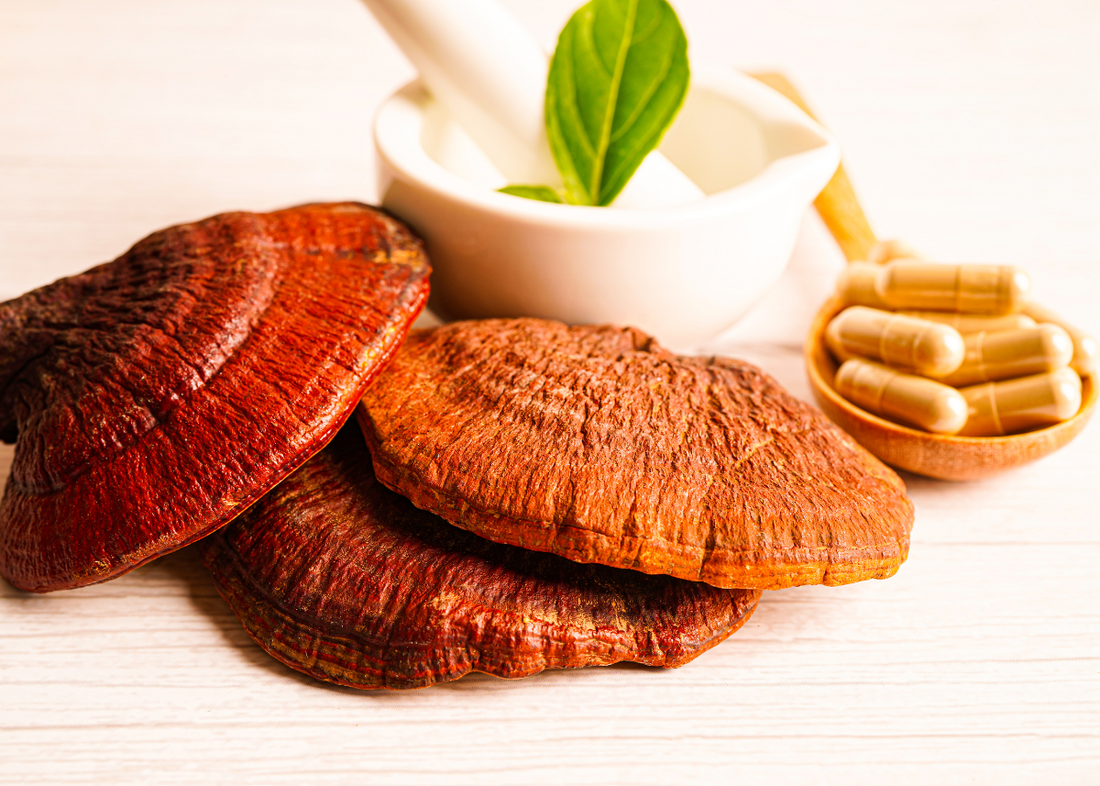
Reishi Mushroom: Known as the "mushroom of immortality" in traditional Chinese medicine. Reishi is used for immune balance and stress modulation. It's got a slightly bitter taste, so it's often better in broth form than added directly to food.
Note: Reishi isn't ideal for daily use in all dogs. It's best used cyclically (a few weeks on, then a break) and should be avoided before surgery or in dogs on blood thinners.
Turkey Tail: This one's a superstar in the functional mushroom world. Turkey tail is rich in antioxidants and has been extensively studied for its immune-modulating properties. It's often used alongside conventional cancer treatment in dogs (with vet supervision, obviously). It may also support digestive health and boost the immune system.
Turkey tail dries well and simmers beautifully for broth, making it one of the easiest to work with.
Shiitake: Your gateway mushroom, if you will. Shiitake is easy to find at most grocery stores, has a rich aroma that dogs tend to like, and is packed with beta-glucans that support immune health.
Shiitake is brilliant for everyday use and blends well with other mushrooms in broths or supplements.
Lion's Mane Mushroom: This spiky-looking mushroom has gained attention for its potential cognitive benefits. Early research suggests it may support brain function, memory, and focus—making it a solid choice for senior dogs or those showing signs of doggy dementia.
Lion's Mane has a mild flavour and blends well with other mushrooms. Use caution if your dog is on blood-thinning medications.
Chaga Mushroom: Known for its high antioxidant content and immune-boosting properties. Chaga also has anti-inflammatory effects, which can be helpful for dogs with joint issues or allergies.
Cordyceps Mushroom: Traditionally used to support energy and stamina. If you've got an active dog or one recovering from illness or surgery, Cordyceps might be worth exploring. They're also popular with working dogs and canine athletes.
Mushroom Broth vs Bone Broth: What's the Difference?
Before we dive into how to use mushrooms, let's sort out mushroom broth versus bone broth—because they're quite different and each has its place.
Why you might choose mushroom broth: Mushroom broth is much lighter and lower in fat than bone broth, which makes it brilliant for dogs with sensitive tummies or those who've had pancreatitis. It's also much lower in histamines, so if your dog has allergies or sensitivities, this might be the better option. Plus, it's packed with functional benefits depending on which mushrooms you use—immune support, cognitive function, all that good stuff.
The downsides: It's not quite as palatable as bone broth for some picky eaters, and the benefits really depend on using it consistently and choosing the right mushrooms for your dog's needs. Also, you need to be mindful of medication interactions.
Why you might choose bone broth: Most dogs absolutely love bone broth—it's rich, savory, and packed with collagen and gelatin that support joints and gut health. It's often the go-to for sick dogs or picky eaters who need tempting.
The downsides: Bone broth can be too rich for some dogs and cause loose stools. Store-bought versions are often loaded with onion, garlic, or too much salt (all no-nos for dogs). And because it's higher in histamines, it's not ideal for dogs with certain allergies.
The best of both worlds? If your dog can handle it, you can actually combine the two. Make your bone broth as usual, then add some functional mushrooms during the cooking process. You get the palatability and collagen from the bones, plus the immune and cognitive support from the mushrooms.
Other ways to incorporate these magic mushrooms into your dog's life?
1. Supplements: You can find mushroom supplements in your health food store or in Chinese medicine & grocery stores. These often come in the form of capsules or powders, making it easy to add to their meals.
2. Treats and Chews: Some pet food companies have started including medicinal mushrooms in their treats and chews, providing a tasty way for your pup to reap the benefits. You can also use your powdered mushrooms into your homemade dog treats.
3. Mushroom-Infused Oils: You can find mushroom-infused oils designed for dogs, which can be drizzled over their food for a flavourful health boost.
How to Make Mushroom Broth for Your Dog
Right, let's get practical. Making mushroom broth at home is actually dead simple, and it's one of the easiest ways to add functional support to your dog's diet without getting complicated.
Here's what you need to know before you start: always use plain water with no salt, never chuck in onions or garlic (toxic for dogs), and stick to mushrooms from the shops—no foraging unless you're absolutely certain you know what you're doing.
Simple Everyday Mushroom Broth
Perfect for: Dogs new to mushrooms, picky eaters, or daily hydration support
What you'll need:
- About 2 liters of water
- A handful of fresh button mushrooms (roughly 1 cup)
- 4-6 dried shiitake mushrooms
How to make it: Pop everything in a pot and let it simmer away gently for about an hour. Strain out all the mushroom bits, let it cool completely, and you're done.
This is your basic, everyday broth—nothing fancy, just gentle nutrition that most dogs will happily lap up.
How Much Mushroom Broth Should You Give Your Dog?
Start small and work your way up—this is the golden rule with any new addition to your dog's diet.
Here's a general guide based on your dog's size, but remember every dog is different:
Small dogs (under 10kg): Start with just a teaspoon or two Medium dogs (10-25kg): About 1-2 tablespoons Large dogs (25-50kg): Around 2-4 tablespoons Extra large dogs (50kg+): Up to half a cup
Begin by offering mushroom broth just a few times a week and watch how your dog responds. If their tummy's happy and everything looks good, you can increase to daily use for the gentle, everyday broths.
How to serve it:
- Pour it over their regular meals as a topper (great for adding moisture and nutrients)
- Offer it as a hydration snack between meals
- Use it to soften dry food for senior dogs with dental issues
- Mix it with their regular water to encourage drinking
Where to Find Quality Mushrooms
You've got options:
- Farmer's markets - Often have foragers selling fresh functional mushrooms
- Ethnic markets - Asian grocery stores typically stock dried shiitake, reishi, and other medicinal mushrooms
- Health food stores - Carry mushroom supplements and dried mushrooms
- Organic grocery stores and co-ops - For fresh mushrooms from reputable sources
- Regular supermarkets - For everyday mushrooms like cremini, shiitake, and baby bella
When buying dried mushrooms, look for organic options without additives. For supplements, choose human-grade products from companies that do third-party testing.
A Quick Word About Safety
Not all mushrooms are safe, and even safe mushrooms need to be used properly:
- Never let your dog eat wild mushrooms. Ever. Many are toxic.
- Always check with your vet before adding mushrooms if your dog is on medication.
- Start with small amounts and watch for any digestive upset.
- Source your mushrooms from reputable suppliers—organic is best.
- Mushroom broth must always be: unsalted, free of onion/leeks/chives, made with store-bought culinary or functional mushrooms.
Remember, each dog is unique, and what works for one may not work for another. But with the right guidance, your furry friend might just discover the incredible world of medicinal mushrooms, helping them lead a healthier, happier life!
Want to be the first to get your paws onto the hottest topics? Subscribe to our newsletter!
--------------------------------------------------------------------
The Doggy Grub blog is dedicated to helping dogs and their owners achieve happier, healthier lives, changing the way we feed our dogs one bowl at a time! If you would like to know more about our fresh food head to Doggy Grub