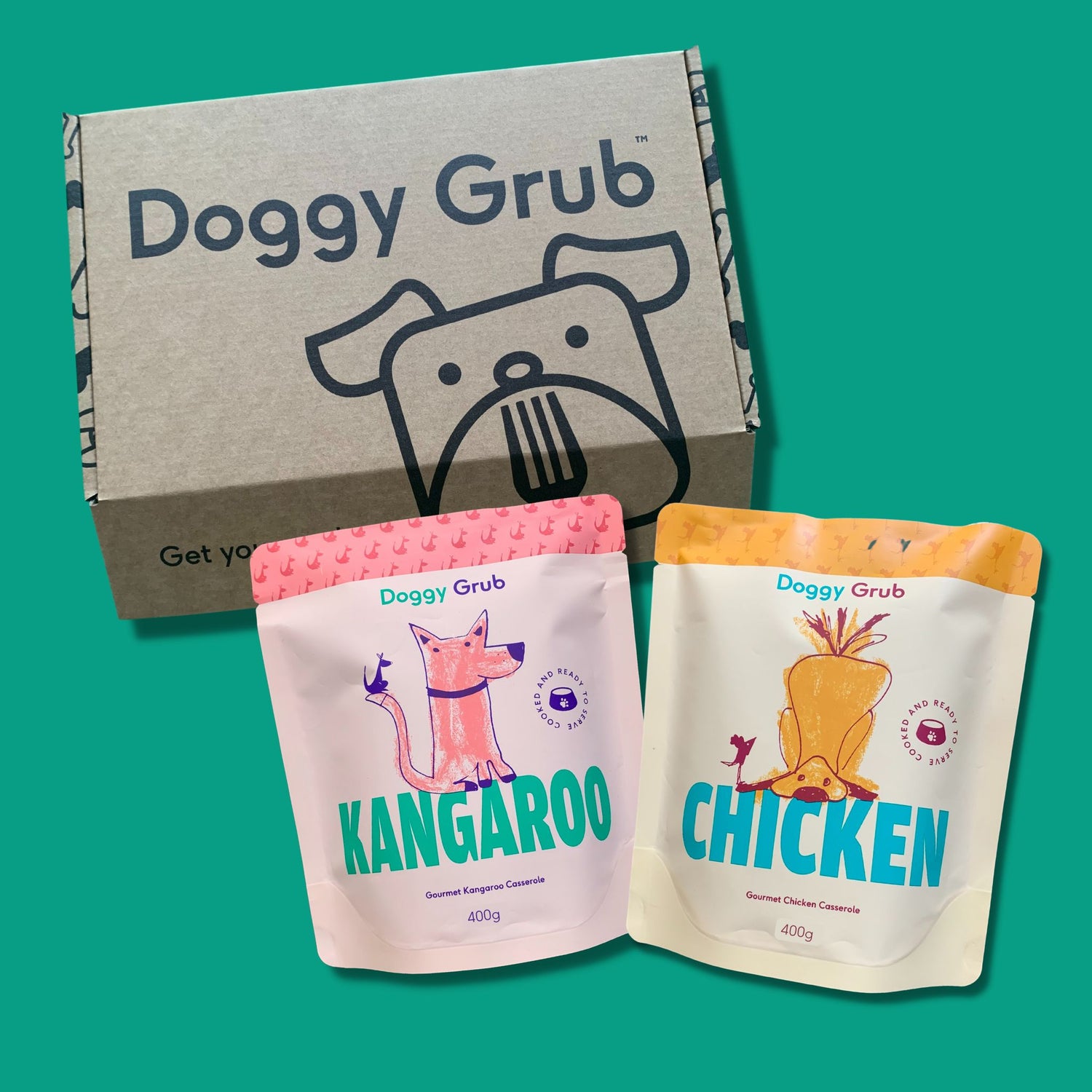

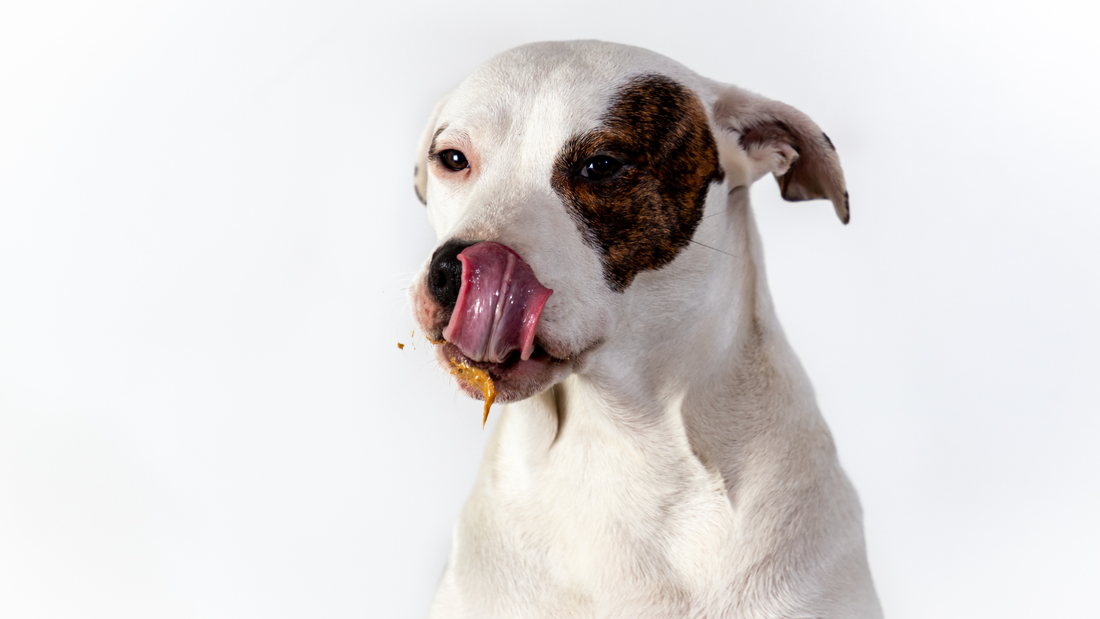
You know the scene. You open the fridge, grab the container, and before you've even reached the bowl, your dog is already spinning in circles, making that noise — the one that sits somewhere between a whine and a full existential crisis. Meanwhile, last Tuesday's dinner sat untouched for twenty minutes before they reluctantly ate it.
So what's going on? Why do dogs go absolutely bananas for some foods and couldn't care less about others?
Turns out, there's some genuinely interesting science behind it — and once you understand how your dog actually experiences food, it changes the way you think about what you're putting in their bowl.
Your Dog's Nose Is Running the Show
Here's something most people don't realise: when your dog walks up to their bowl, they're not really tasting their food first. They're smelling it. And they're exceptionally good at it.
Dogs have an olfactory system that is, depending on the breed, somewhere between 10,000 and 100,000 times more sensitive than ours. They also have a specialised organ — called the Jacobson's organ — that sits in the roof of their mouth and essentially allows them to taste aroma compounds the moment food enters their mouth. So by the time your dog has taken their first bite, they've already formed a very detailed opinion based entirely on smell.
This is why the aroma of food matters so much more to dogs than it does to us. A meal that smells vibrant, meaty, and fresh signals to your dog's brain: safe, nutritious, eat this. A meal that smells flat, stale, or heavily processed? Their instincts tell them to be suspicious — even if they eat it anyway because, well, they're hungry.
It also explains something you might have noticed: dogs who seem "fussy" often aren't fussy at all. They're just responding to what their nose is telling them.
Freshness Isn't a Preference — It's Hardwired
Dogs are descendants of wolves, and that lineage runs deep when it comes to food preferences. Despite thousands of years of domestication, their instincts are still largely calibrated for fresh, whole animal tissue — real meat, fat, and organs, not shelf-stable processed food.
Fresh food carries a completely different aromatic profile to processed food. The natural fats and proteins in fresh meat release aroma compounds that dogs are biologically wired to find irresistible. Moist textures are also more appealing than dry ones — not just because they taste better, but because they release more of those aroma compounds during chewing, making the whole eating experience more stimulating and satisfying.
This is why so many dog owners who switch from dry food to fresh food report the same thing: their dog goes from being a reluctant eater to absolutely inhaling their bowl. It's not a coincidence. Their dog's nose is finally getting the signals it was always designed to receive.
Fat, Protein, and the Survival Instinct
If you've ever noticed that your dog goes especially nuts for something rich — a piece of meat, a bit of cheese, a lick of something they absolutely shouldn't have gotten into — there's a reason for that too.
Dogs are naturally wired to seek out energy-dense foods. Fat and protein aren't just tasty to them — they're survival priorities. In the wild, a dog that could identify and prioritise high-calorie, nutrient-dense food had a better chance of making it through lean times. That instinct hasn't gone anywhere.
This is also why organ meats — like liver and kidney — tend to send dogs into a complete frenzy. Organs are extraordinarily nutrient-dense, and dogs seem to know it on some primal level. A small amount of liver in a meal can transform it from "fine, I guess" to "I would do absolutely anything for this."
(It's worth noting: organ meats are incredibly nutritious, but more isn't always better. There's a balance — too much liver, for example, can cause vitamin A toxicity over time. The goal is the right amount, not as much as possible.)
So Why Do Some Dogs Get Bored of Their Food?
You've been feeding your dog the same meal for months, they've always loved it — and then one day, they walk up to the bowl, sniff it, and look at you like you've personally offended them.
What happened?
This is actually a well-documented phenomenon sometimes called olfactory fatigue — basically, your dog's nose has become so accustomed to the smell of their food that it no longer registers as exciting. It's the same reason you stop noticing the smell of your own home.
There's also something called the novelty effect. In the wild, seeking out new foods helped animals ensure they were getting a broad range of nutrients. That instinct for variety is still alive in your dog — which is one reason rotating proteins and ingredients (where appropriate for your dog's digestion) can be a genuinely good idea, not just a nice-to-have.
If your dog has gone off their food, it doesn't always mean the food is bad — sometimes they just need a change of scenery in the bowl.
The Dirty Secret About How Kibble Gets Its Smell
Here's something the big pet food companies don't put on the front of the bag.
Dry kibble is made using a process called extrusion — essentially, the ingredients are pushed through a machine at extremely high heat and pressure. This process does a great job of creating a shelf-stable product, but it also destroys most of the natural aromas and flavours that would make the food appealing to a dog in the first place.
So how does kibble still smell like something? Palatants. After the extrusion process, most dry dog foods are sprayed with a coating — often made from rendered animal digests, artificial flavour compounds, and sometimes added fats — specifically designed to make the food smell appealing enough that your dog will eat it.
It's essentially perfume for dog food. The smell your dog is responding to when they eat most kibbles isn't coming from the food itself — it's a layer added on top to simulate what real, fresh food would smell like.
This isn't a conspiracy theory — it's a standard, widely-used practice in the pet food industry. And once you know about it, it reframes the whole conversation about what "my dog loves this food" actually means. Are they loving the food, or are they loving the coating?
If you want to go deeper on how different food types stack up, we broke it all down in our guide to kibble, canned, raw and fresh food.
What This All Means for What's in the Bowl
None of this means you need to overhaul everything overnight or feel guilty about how you've been feeding your dog. But it does give you a useful lens for thinking about food quality.
When a dog genuinely, enthusiastically loves their food — not because it's been engineered to smell a certain way, but because it's made from real, fresh, whole ingredients that their senses are designed to respond to — that's a good sign. It means the food is doing what it's supposed to do: communicating to your dog's brain that what they're eating is nourishing, safe, and worth getting excited about.
A dog that inhales their bowl every single night without the spinning-circles theatrics might just have resigned themselves to their lot in life. But a dog that genuinely loses it at dinner time, tail going, nose working overtime? They're telling you something.
Trust the nose. It usually knows.
Want to stay across the latest on dog nutrition, real ingredients, and tips for keeping your pup happy and healthy? Subscribe to the Doggy Grub newsletter.
The Doggy Grub blog is dedicated to helping dogs and their owners achieve happier, healthier lives — changing the way we feed our dogs, one bowl at a time. To learn more about our fresh meals, head to Doggy Grub.


