

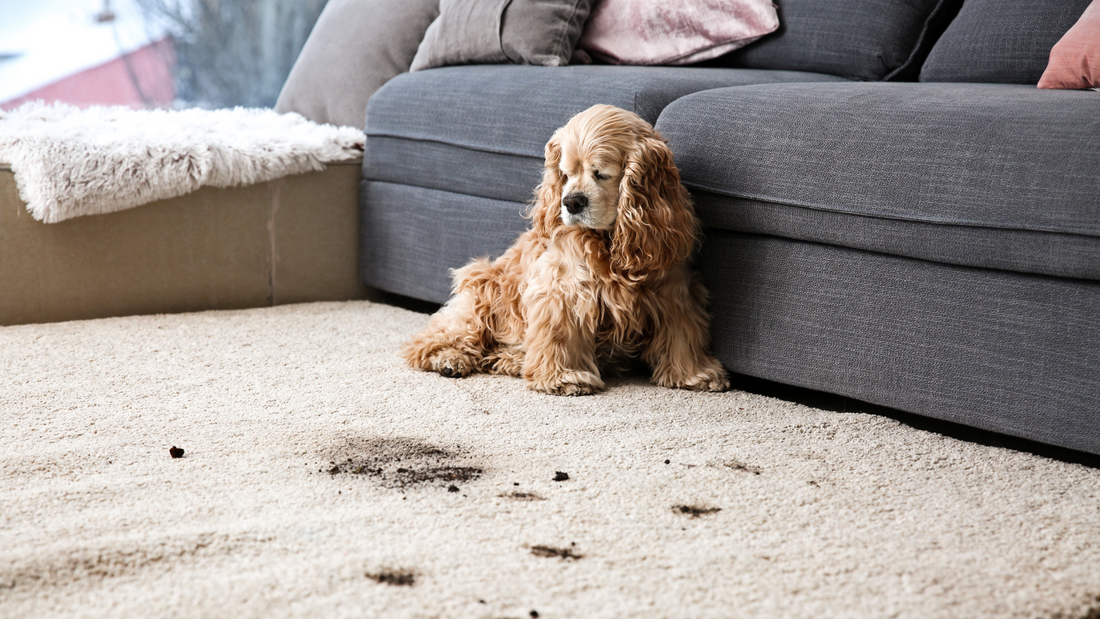
1. Limit Access to Certain Areas — Or At Least Try
In theory, keeping your dog off the furniture is one of the easiest ways to stay on top of pet hair and mess. In practice? I gave up on that one pretty quickly with Betty.
But boundaries do matter — it's just about being realistic with yourself about which ones you'll actually maintain.
What actually worked for us: Betty had her own blanket on the couch, and if she was coming onto the bed, it was strictly on sheet-washing day. That was the deal. It sounds a little rigid, but it genuinely helped — and she was perfectly happy with the arrangement.
A few things worth having in place:
• A removable baby gate is great for blocking off rooms you want to keep clean — a spare bedroom, a home office, or anywhere you'd rather stay dog-free.
• Keep a towel right by the front door for muddy days. Make it a non-negotiable habit: paws wiped before anything else.
• For smaller dogs, a shallow tub of water near the entrance or a quick laundry sink rinse works brilliantly. I once looked after a pair of Westies who were perfect candidates for this — paws rinsed before they even knew what was happening.
• For bigger dogs it's less graceful, but a good old towel-down gets the job done. Keep a dedicated 'dog towel' in a basket near the door so it's always within reach.
If you're training a puppy or a newly adopted dog, this is the perfect time to establish these routines. Dogs are creatures of habit — the earlier you build these rituals into their daily life, the easier it becomes. A quick paw wipe after every walk can become second nature for both of you within a few weeks.
2. Build a Regular Grooming Routine- your furniture will thank you
Brushing your dog a few times a week (or daily during heavy shedding seasons) makes an enormous difference. It removes loose fur, dust, and pollen, which matters particularly if anyone in your household has pet allergies or sensitivities. Most dogs genuinely love being brushed once they're used to it — it's also a lovely way to bond.
Your full grooming toolkit should cover:
• Brushing: Frequency depends on your dog's coat. Short-haired breeds may only need a weekly brush, while long-haired or double-coated breeds benefit from daily attention — especially in spring and autumn when shedding peaks.
• Bathing: Most dogs do well with a bath every four to six weeks. More often than that and you risk stripping natural oils from their coat and skin. Use a dog-specific shampoo — human products are too harsh for their skin pH.
• Health checks: Every grooming session is a good opportunity to look for ticks, small cuts, skin irritation, or lumps you might otherwise miss. Early detection matters.
Start grooming habits early, keep them consistent, and frame them as a positive experience. A dog who is comfortable being handled makes everything easier — vet visits, emergency clean-ups, and all of it.
3. Set Up a Dedicated Feeding Station
A proper dog feeding area is one of those small things that makes a big difference to both cleanliness and your dog's routine. Dogs thrive on consistency, and having a designated spot for meals helps them feel settled and reduces food-related mess throughout the house.
The kitchen floor is usually the most practical option since spills are easy to wipe up — but the laundry, entrance hall, or even the garage all work well, anywhere your dog can eat calmly without being in the way of foot traffic.
A few feeding station essentials:
• A washable silicone or fabric mat under the bowls catches splashes and kibble scatter. Far easier to shake out or throw in the wash than scrubbing the floor every day.
• Wash both the food bowl and water bowl after every meal. Even if your dog licks the bowl completely clean, bacteria builds up quickly — especially in water bowls left out all day. Thirty extra seconds is worth it.
• Stainless steel or ceramic bowls are far more hygienic than plastic, which scratches over time and harbours bacteria in those grooves.
• If your dog is a messy drinker, consider a non-spill or slow-drip water bowl. They're a small investment that saves a lot of mopping.
• Stick to set meal times rather than free feeding. It's better for digestion, easier to monitor how much your dog is eating, and means the bowl isn't sitting out all day collecting dust and bacteria or attracting critters.
4. Tackle Pet Odours at the Source
Every dog owner knows the smell. It's not necessarily unpleasant — it's just distinctly dog. But there's a big difference between a home that smells like a dog lives there and one that smells like a kennel. The goal is somewhere comfortably in the middle, and it's very achievable.
Opening your windows regularly is genuinely one of the most effective and free things you can do. Fresh air circulation makes a real difference, especially in rooms where your dog sleeps or spends most of their time.
Fabrics are the biggest odour culprits- carpets, rugs, upholstered furniture, curtains, and your dog's bedding all absorb and hold onto smells over time.
Here's how to stay on top of them:
- One thing I swear by that most people don't think of: baking soda. Sprinkle it on carpets or dog bedding, let it sit for 15-30 minutes, then vacuum it up. It's surprisingly effective at neutralising odours without harsh chemicals or artificial fragrances.
- A vacuum with strong suction and a pet hair attachment is worth the investment — it picks up pet hair and fine dander from carpets and fabric furniture far more effectively than a standard vacuum. Empty the canister regularly so it doesn't start redistributing what it collected.
- Wash your dog's bedding at least once a month — more often if they're an outdoor dog or have been particularly muddy. Hot wash where the fabric allows. And don't forget to wash fabric collars and harnesses regularly- they absorb sweat, dirt, and that classic dog smell and are easy to forget.
- Also, don't forget the doormat. A quick daily shake and a weekly wash stops dirt and debris from travelling further into the house than it needs to.
- An air purifier with a HEPA filter can make a significant difference for pet dander and allergens, particularly in bedrooms or living rooms where your dog spends a lot of time.
- Avoid heavily scented candles or artificial air fresheners — they tend to mask odours rather than remove them, and some synthetic fragrances can be irritating (or even harmful) to dogs and humans. Natural essential oil diffusers used with pet-safe oils are a much better option if you really want a scent.
5. Don't Forget Your Car
If your dog is a regular co-pilot, your car needs just as much attention as your living room. Betty came to the beach with us constantly — and after every single walk, she got a good rinse down before jumping back in. A salty, sandy dog in a hot closed car is not a smell that fades quickly, trust me on that one.
Car-specific tips that make a real difference:
• A washable seat cover is the simplest fix for hair and mud — pull it off, throw it in the wash, back on. Done.
• Keep a spare set of paw-wipe cloths in the car, not just by the front door. You'll thank yourself on beach days or after muddy park visits.
• Crack the windows while you're driving — dogs love it, and it helps keep smells from building up between cleans.
• A handheld vacuum kept in the boot is incredibly useful for a quick hair clean-up after a big trip.
• A natural essential oil-based deodorising spray can freshen things up without being overwhelming — just make sure any oils used are pet-safe.
Bonus tips: Use dog-safe cleaning products
This one doesn't get talked about enough. When you're cleaning a home shared with a dog, the products you use matter as much as how often you clean. Dogs spend a lot of time on the floor, they lick surfaces, and they're far more sensitive to chemical residues than we are.
Some common household cleaning ingredients to be cautious with around dogs:
• Bleach and ammonia-based cleaners: Can be irritating to their respiratory system and toxic if ingested. Always rinse surfaces thoroughly and allow them to dry completely before letting your dog back into the room.
• Certain essential oils: While natural, some oils are harmful to dogs — tea tree, eucalyptus, and pennyroyal among them. Always check before using any oil-based product around your pet.
• Phenol-based disinfectants: Found in many floor cleaners and sprays. These are particularly toxic to dogs and should be avoided entirely.
There are now excellent pet-safe cleaning ranges available — look for enzyme-based cleaners, which are particularly effective at breaking down pet stains and odours (not just masking them). White vinegar diluted with water is also a reliable, genuinely dog-safe option for floors and surfaces.
Betty taught me most of what I know about living happily with a dog — including the fact that a clean home and a dog who thinks she's in charge of garden design can absolutely coexist.
The key isn't perfection. It's having enough good habits in place that the chaos stays manageable — and that your home feels like a place you love coming back to, dog hair and all.
I hope these tips make your life a little easier, whatever chaos your dog is currently planning.
Want to be the first to get your paws onto the hottest topics? Subscribe to our newsletter!
---------------------------------------------------------------------------
The Doggy Grub blog is dedicated to helping dogs and their owners achieve happier, healthier lives, changing the way we feed our dogs one bowl at a time! If you would like to know more about our fresh food head to Doggy Grub


