
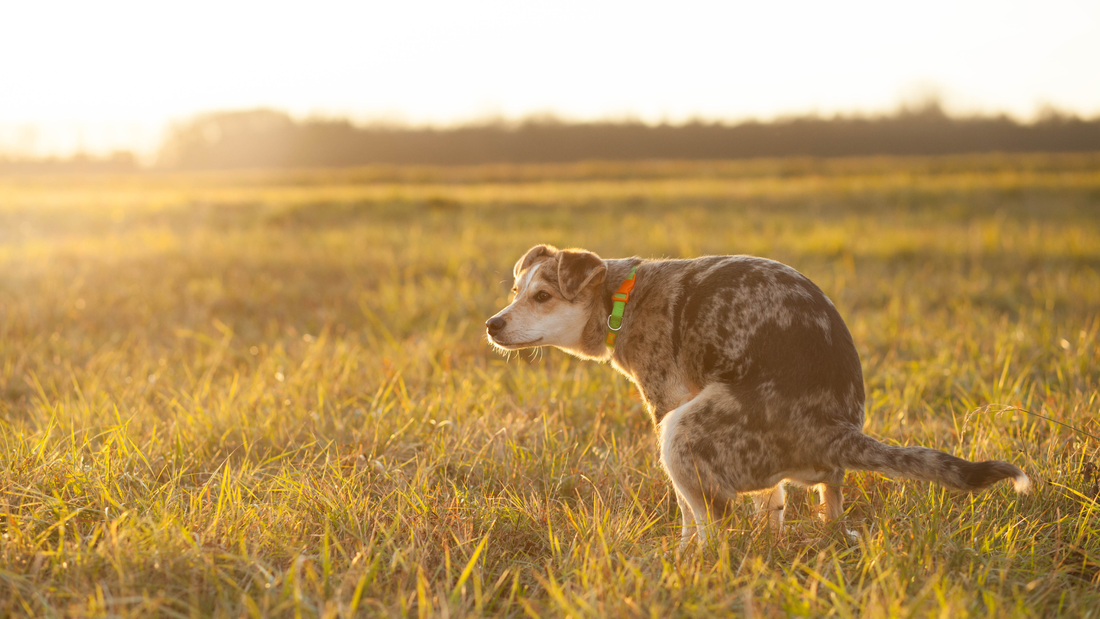
Right, let's talk about poo. Specifically, the wrong kind of poo — the kind that has you googling at 11pm with a torch in one hand and a very sorry dog in the other.
If you've ever rung a vet clinic in a panic, chances are someone on the other end told you to boil up some chicken and rice. It's the advice that's been passed down for decades, dog owner to dog owner, like a weird culinary family heirloom nobody questions. And look, it's not wrong, exactly. It's just... outdated.
So today we're busting the chicken and rice myth, telling you what actually helps a dog's gut recover, and explaining why psyllium husk is one of the most underrated ingredients in your pantry. Let's get into it.
Why Chicken and Rice Became the Default (and Why It's Not Enough)
Chicken and rice earned its reputation honestly. It's bland, it's low fat, it's easy to find in any supermarket at 9pm when your dog has decided tonight is the night. For a genuinely mild, one-off tummy upset, it can settle things down for a day or two.
But here's the catch nobody tells you: rice is almost pure starch, which breaks down into sugar fast — and sugar is exactly what the less friendly bacteria in your dog's gut love to feast on. Chicken, meanwhile, is one of the most common proteins dogs develop sensitivities to over time, especially if it's already a staple in their regular food (and these days, for most dogs, it is).
So you end up in this slightly ironic situation: you're feeding a "soothing" meal that can, in dogs prone to food sensitivities or chronic tummy troubles, actually keep the cycle going. It calms things down temporarily without actually helping the gut heal. Think of it as a Band-Aid rather than the stitches.
None of this means chicken and rice is dangerous or that you've done anything wrong every single time you've reached for it — plenty of dogs bounce back on it just fine. But if diarrhoea is a regular visitor at your place, or your dog just doesn't seem to properly recover on the usual bland diet, it's worth knowing there's a better option.
The Upgrade: Turkey, Pumpkin (or Sweet Potato), and Why It Works Harder
Enter turkey and pumpkin!
Turkey is a novel protein for most dogs, meaning it's far less likely to be something their gut already has a grudge against. It's lean, it's gentle, and because it's not already sitting in their regular bowl every night, it gives their digestive system a genuine break from whatever might be triggering things, rather than more of the same protein in a different shape.
Pumpkin (or sweet potato) swaps in for rice and does something rice simply can't: it brings real soluble fibre to the table. Instead of just being digestible, pumpkin actively helps regulate the bowel — soaking up excess water when things are too loose, adding gentle bulk, and giving the good bacteria in the gut something nourishing to work with instead of a sugar hit. Sweet potato brings a similar fibre profile plus a few more nutrients along for the ride, so either works well depending on what's in your cupboard.
Swap the classic 2:1 rice-to-chicken ratio for a similar ratio of pumpkin (or sweet potato) to turkey, boiled or steamed plain with nothing added, and you've essentially built the same bland, gentle meal — except this one is actually doing something for the gut while it settles the stomach, rather than just filling space.
The secret to stopping doggy diarrhoea fast: Psyllium Husk
Okay, here's the bit we really want you to walk away remembering, because it's the ingredient most dog owners have never heard of and genuinely should have in the cupboard.
Psyllium husk is a natural soluble fibre that does something wonderfully clever: it works for diarrhoea and constipation, because it doesn't fight your dog's gut, it just helps it find its own balance. When there's too much water sloshing around causing loose, urgent stools, psyllium husk soaks it up and forms a gentle gel that adds bulk and firms things back up.
There's proper research behind this too, not just pantry folklore. A study on working dogs with chronic large-bowel diarrhoea found that after a month of psyllium husk supplementation, the vast majority showed real, measurable improvement in stool consistency — and some kept those benefits even after coming off it, which suggests it's not just masking the issue, it's helping the gut find its rhythm again.
A note on using it: start small, always make sure your dog has plenty of water on board (psyllium needs moisture to do its job properly, and without enough it can have the opposite effect), and if your dog is on any medication, chat to your vet first since high fibre intake can affect how some medications are absorbed.
About That 24-Hour Fast: You're Not Starving Your Dog
Let's clear up the other bit of advice that makes pet parents anxious: the 24-hour fast.
If your dog has diarrhoea, withholding food for around 24 hours (some vets say 12, some say 24 — both are fine, use your judgement on how your dog is coping) gives their digestive system genuine downtime to calm down, rather than constantly trying to process food while it's already inflamed and irritated.
One day without food will not harm a healthy adult dog — dogs are built to handle the odd skipped meal far better than we give them credit for. What actually matters during this window is water. Plenty of it, always available, and don't be shy about encouraging your dog to drink if they're a bit off their game. Diarrhoea drains fluids fast, and dehydration is the real risk here, not the empty food bowl.
The exceptions worth knowing: puppies, senior dogs, small toy breeds, diabetic dogs, or any dog with an existing health condition generally shouldn't be fasted without your vet's say-so, since they can run into blood sugar trouble faster than a healthy adult dog. When in doubt, a quick call to your vet costs nothing and saves you the guesswork.
Putting It All Together: Your Dog's Gut-Reset Game Plan
So here's how the pieces fit together when your dog's tummy stages a protest:
- Fast for 12–24 hours, water only, unless your dog falls into one of the exception categories above.
- Reintroduce gently with small, frequent meals of boiled turkey and pumpkin (or sweet potato) in a roughly 1:2 protein-to-veg ratio, rather than one big meal that shocks the system straight back into trouble.
- Add a pinch of psyllium husk to help firm things up and support the gut as it recovers, starting small and building up.
- Watch and wait. Most mild, one-off tummy upsets settle within a day or two on this plan. If diarrhoea continues past 24–48 hours, if there's blood, vomiting, lethargy, or your dog just seems properly unwell, skip the home remedies and get them to the vet. Trust your gut on this one (pun very much intended).
At the end of the day, an upset tummy every now and then is just part of life with a dog, especially one who insists on eating things off the footpath. But when it becomes a recurring guest, it's worth looking at giving your dog food that actually keep their gut healthy
Your dog can't tell you their stomach hurts. But their poo absolutely can — so it pays to listen. Take a look at our poop decoder!
This article is general information, not a substitute for veterinary advice. If you're ever unsure about your dog's symptoms, please get in touch with your vet.


